
Your Heart Is Talking to You: Early Signs You Shouldn’t Ignore
Learn how your heart signals stress, lifestyle issues, and emotional health and how small daily habits can improve heart health.

We often think the heart just beats quietly in the background. But in reality, your heart is constantly sending signals; we just don’t notice them.
A fast heartbeat during stress, feeling heavy after unhealthy food, or getting tired quickly; these are not random. They are signs from your heart. Your heart responds to everything:
- Your sleep
- Your food
- Your stress
- Even your thoughts
The problem is not sudden heart issues, it’s ignoring these signals over time.
Today’s lifestyle makes unhealthy habits feel normal. Stress, poor sleep, and long sitting hours are common but “normal” doesn’t mean healthy. Your heart needs simple things:
- Regular movement
- Proper rest
- Balanced routine
Heart health is also connected to your emotions. Stress and anxiety can increase heart rate, while poor sleep and inactivity can weaken your system.
The key point is this heart problems don’t happen overnight. They build slowly through daily habits. The good news is, improvement also works the same way.
Small changes can make a big difference:
- Walk regularly
- Eat better
- Manage stress
- Follow a simple routine
You don’t need extreme changes just awareness.
Once you start paying attention, you’ll realize your heart has always been guiding you quietly and consistently.
When to See a Doctor Immediately
While many warning signs can be addressed through lifestyle changes and medical consultation, some symptoms require immediate emergency care. Do not wait and do not drive yourself — call emergency services or have someone take you immediately if you experience:
- Chest pain or pressure that lasts more than a few minutes or comes and goes
- Chest discomfort accompanied by pain in one or both arms, the back, neck, jaw, or stomach
- Sudden shortness of breath even without chest pain
- Breaking out in a cold sweat, nausea, or lightheadedness
- Sudden numbness or weakness in the face, arm, or leg — especially on one side of the body
- Sudden confusion, trouble speaking, or trouble understanding speech
Cardiovascular disease remains the leading cause of death worldwide, but it is also one of the most preventable. Regular check-ups, honest conversations with your doctor, attention to the signals your body sends, and the lifestyle choices you make every day are all part of the same continuous act of caring for the organ that keeps everything else running. Listen when your heart speaks. It is rarely wrong.
Warning Signs Your Heart May Be Sending
Here are the most important early warning signals you should never dismiss:
- Chest discomfort or pressure – A squeezing or heaviness in the chest, especially during activity
- Shortness of breath – Feeling breathless after climbing one floor of stairs or light walking
- Irregular heartbeat (palpitations) – A fluttering, racing, or skipping sensation in your chest
- Swollen ankles or feet – A sign that the heart may not be pumping blood efficiently
- Unexplained fatigue – Feeling exhausted after minimal effort, especially in women
- Dizziness or lightheadedness – Especially when standing up quickly
What You Can Do Right Now
Heart disease is largely preventable with lifestyle changes. Here is what cardiologists consistently recommend:
- Walk 30 minutes daily – Even a brisk walk significantly reduces cardiovascular risk
- Cut down on salt – High sodium increases blood pressure, the silent killer
- Eat more leafy greens, nuts, and fish – These are proven heart-protective foods
- Manage stress actively – Chronic stress elevates cortisol which damages arteries over time
- Sleep 7–8 hours – Poor sleep is directly linked to higher heart attack risk
- Get an annual health checkup – Know your blood pressure, cholesterol, and blood sugar numbers
When to See a Doctor Immediately
Do not wait if you experience chest pain that spreads to your arm or jaw, sudden severe shortness of breath, or fainting. These require emergency medical attention. In India, the rise of heart attacks in people under 40 is a growing concern — which makes awareness and early action even more critical.
Your heart has been working for you every second of your life. Listen to it.
This article is for informational purposes only. Consult a qualified healthcare professional before making health decisions.
Frequently Asked Questions
What is Your Heart Is Talking to?
Learn how your heart signals stress, lifestyle issues, and emotional health and how small daily habits can improve heart health.
What are the main health benefits of Your Heart Is Talking to?
We often think the heart just beats quietly in the background. But in reality, your heart is constantly sending signals; we just don’t notice them. A fast heartbeat during stress, feeling heavy after unhealthy food, or getting tired quickly; these are not random.
Is Your Heart Is Talking to suitable for everyone?
Your Heart Is Talking to is generally suitable for most adults, but individual health conditions may vary. It is always best to consult a doctor or health professional before starting any new health routine, especially if you have existing conditions.
How quickly can you see results from Your Heart Is Talking to?
Results from Your Heart Is Talking to vary from person to person depending on consistency, diet, and overall lifestyle. Many people begin to notice changes within a few weeks of regular practice, though sustainable results come with long-term commitment.
What are common mistakes people make with Your Heart Is Talking to?
Common mistakes include inconsistency, poor technique, and ignoring professional guidance. The article above outlines what to avoid so you can get the best results safely and effectively.
Version History 4 updates
- Jun 16, 2026
Updated: content
- Jun 16, 2026
Updated: faqs
- Jun 5, 2026
Updated: content
- Apr 14, 2026
Updated: title, description, content, categories, tags, featuredImage, status
Get the quick take
Short videos related to this story
 Health
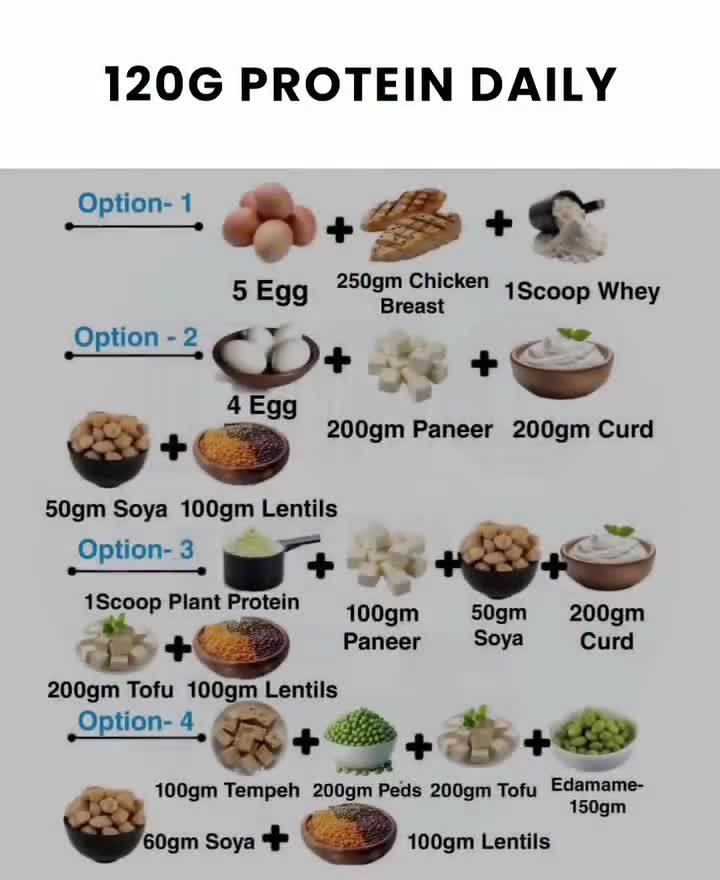
How to Hit 120g Protein Daily with Simple Whole Foods
84 views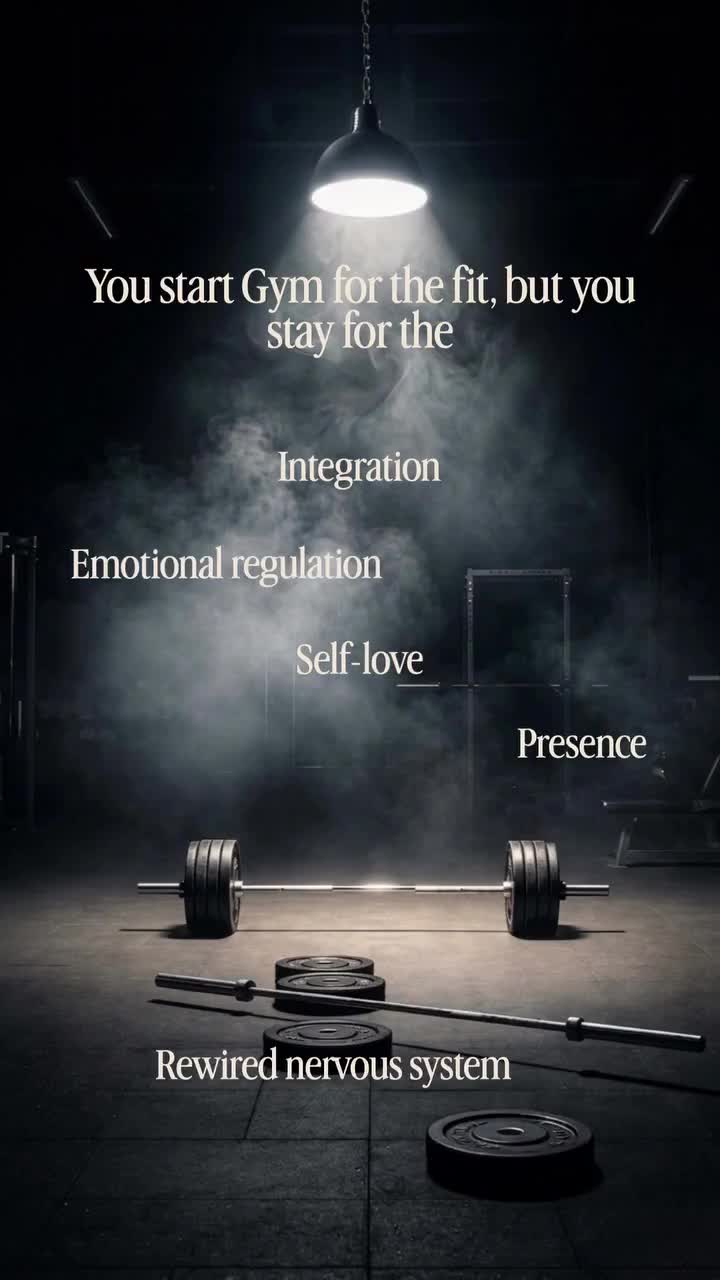 Health
Built in Silence, Revealed in Strength: Strong Girl Fitness Motivation
79 views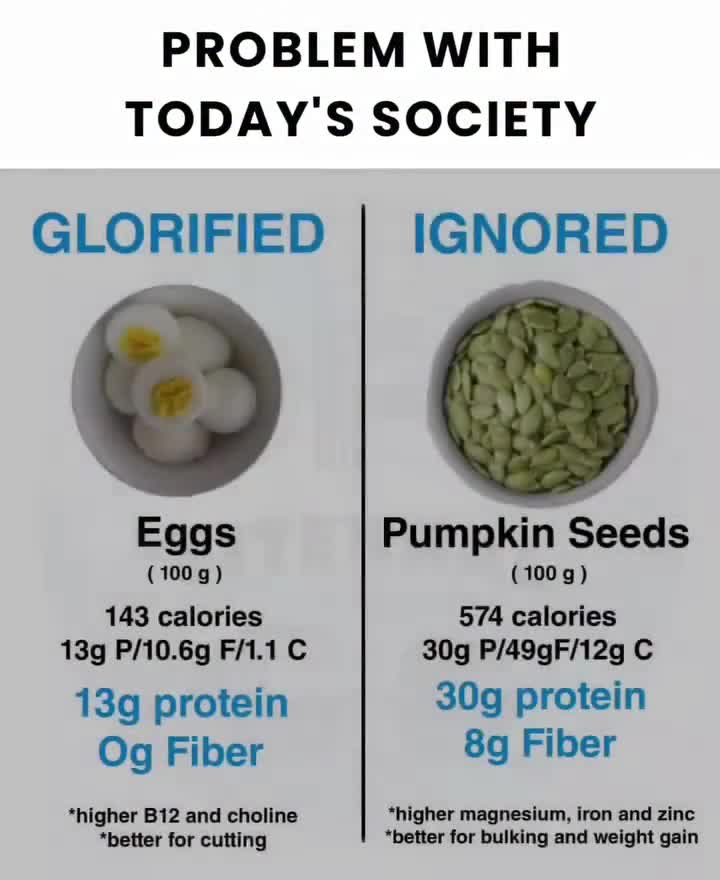 Health
Eggs vs Pumpkin Seeds: Which Protein Powerhouse Is Better for Fat Loss, Bulking
84 views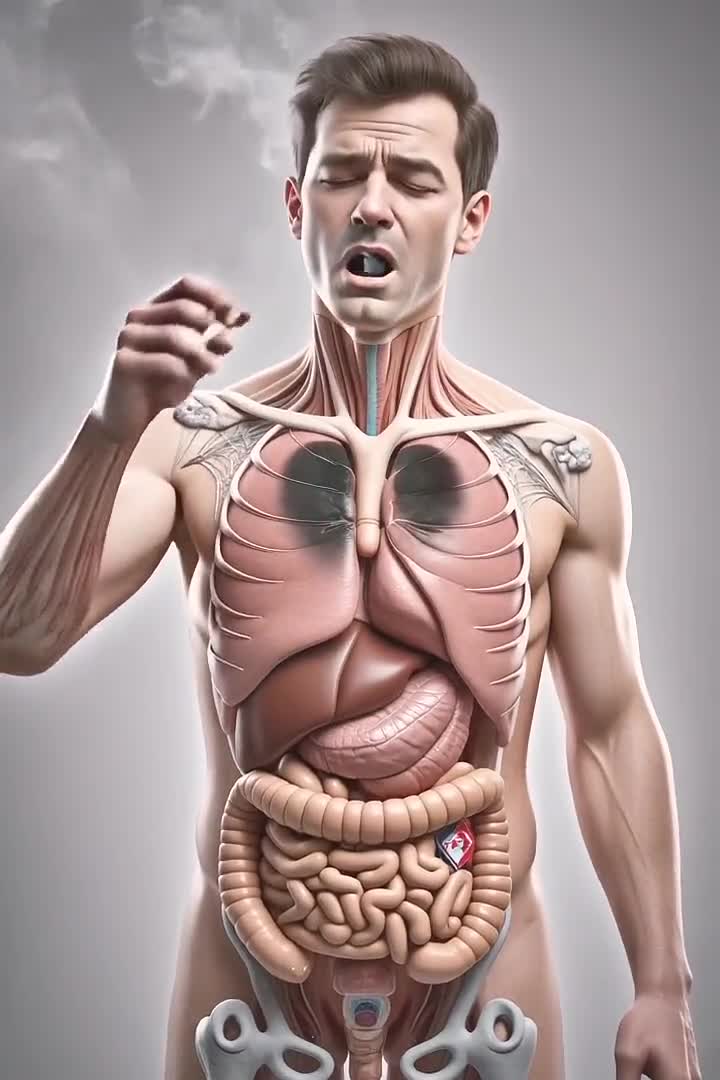 Health
Smoking Kills: Doctor Explains the Deadly Health Risks of Tobacco Use
113 views