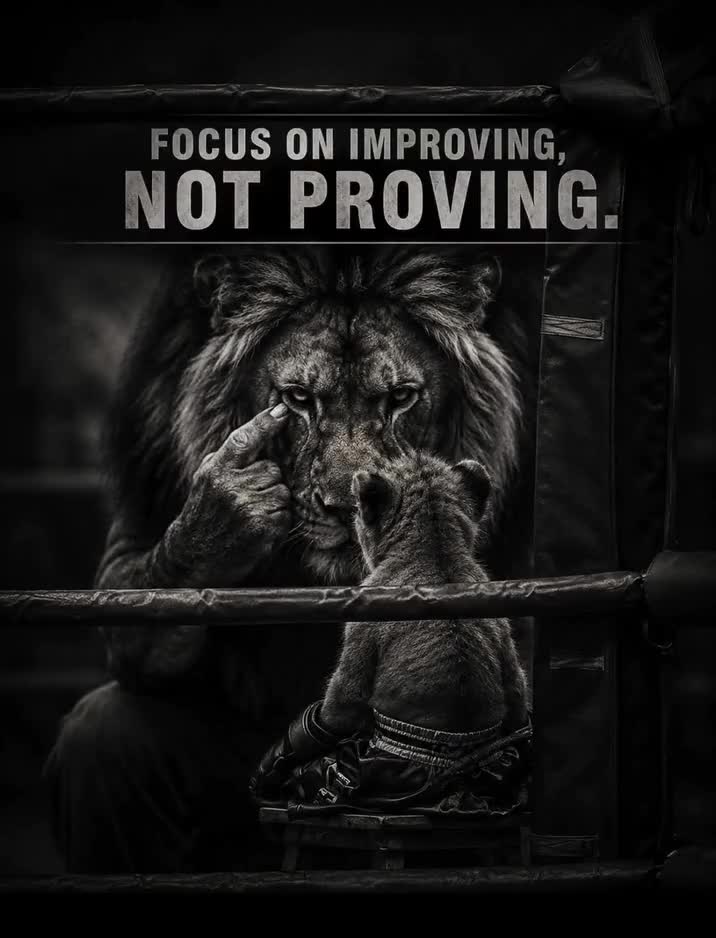
Why Toppers Don’t Always Succeed in Real Life
Learn why academic success doesn’t always guarantee real-world success and what skills truly matter beyond marks.

In every classroom, there are students who consistently score high marks, follow the rules, and seem to have everything under control, and naturally, they are seen as the ones who will succeed in life, but as time passes, reality often tells a more complex story. Academic success is based on understanding structured content, preparing for exams, and performing under specific conditions, but real life is rarely structured in that way. It involves uncertainty, risk, creativity, and the ability to handle situations that have no clear answers.
This is why being a topper does not guarantee success, and at the same time, not being a topper does not mean failure. Real life values different skills, the ability to think independently, communicate ideas, take initiative, and adapt to changing situations. These skills are not always reflected in marks, which is why many average students find their own path and succeed in unexpected ways.
This does not mean studies are not important, they are, but they are only one part of the picture. Education should not be seen as a competition of marks, but as a process of building understanding and capability. Once you move beyond the mindset of just scoring, you start focusing on learning in a deeper and more practical way.
The reality is simple, marks can open doors, but what you do after entering matters more. And the people who understand this early are the ones who grow beyond the limitations of the classroom and create their own opportunities in the real world.
What Real Success Requires
The skills that drive academic success — memorisation, time management under pressure, pattern recognition within a fixed syllabus — are genuinely valuable. But real-world success requires additional capacities that examinations rarely measure: resilience under ambiguity, creativity in unstructured situations, the ability to collaborate, and emotional intelligence to navigate failure without collapsing.
Many toppers succeed enormously in life — not because of their grades, but because of the discipline and work ethic that produced those grades. The danger is when students conflate the marker with the thing it represents. Grades measure a certain kind of performance. Life rewards a broader range of abilities.
The most important thing any student can do is develop genuine curiosity alongside academic performance. Students who read beyond their syllabus, ask questions that have no textbook answer, and engage seriously with the world around them tend to do well regardless of where they ranked in school. Real success is built on genuine capability — not on the memory of a grade that impresses no employer after the first job.
What Real-World Success Actually Requires
Studies on long-term career success consistently show that the following traits matter more than academic rank:
- Resilience – The ability to recover from failure and keep moving. Toppers who have never failed often struggle more with their first major setback.
- Social intelligence – Success in business, leadership, and most professions depends heavily on the ability to communicate, collaborate, and read people.
- Risk tolerance – Entrepreneurs and innovators succeed by taking calculated risks. An education system that rewards only right answers can make people risk-averse.
- Self-motivation – Students who study only for marks often stop learning the moment exams end. Lifelong learners who are driven by curiosity continue growing for decades.
- Practical problem-solving – Real-world problems are messy, ambiguous, and rarely come with four multiple-choice options.
The Right Lesson to Take From This
This is not an argument for ignoring studies or celebrating poor academic performance. Good grades do matter — they signal discipline, effort, and baseline competence. The lesson is that grades are a starting point, not a destination. The students who succeed long-term are those who combine academic effort with curiosity, human connection, and the courage to keep learning beyond the classroom.
Frequently Asked Questions
What is Why Toppers Don’t Always Succeed?
Learn why academic success doesn’t always guarantee real-world success and what skills truly matter beyond marks.
How does Why Toppers Don’t Always Succeed work?
In every classroom, there are students who consistently score high marks, follow the rules, and seem to have everything under control, and naturally, they are seen as the ones who will succeed in life, but as time passes, reality often tells a more complex story. Academic success is based on understanding structured content, preparing for exams, and performing under specific conditions, but real life is rarely structured in that way. It involves uncertainty, risk, creativity, and the ability to handle situations that have no clear answers.
Who should learn Why Toppers Don’t Always Succeed?
Why Toppers Don’t Always Succeed is ideal for developers, students, and technology professionals who want to build modern applications or improve their coding skills. Even beginners can benefit from understanding the basics covered in this article.
What are the main benefits of using Why Toppers Don’t Always Succeed?
Learn why academic success doesn’t always guarantee real-world success and what skills truly matter beyond marks. The benefits include improved performance, easier development, and better maintainability compared to older approaches.
Is Why Toppers Don’t Always Succeed free to use?
Most open-source technologies like Why Toppers Don’t Always Succeed are completely free to use for personal and commercial projects. Licensing details are usually available on the official documentation website. This article explains where to get started at no cost.
Version History 4 updates
- Jun 16, 2026
Updated: content
- Jun 16, 2026
Updated: faqs
- Jun 5, 2026
Updated: content
- Apr 14, 2026
Updated: title, description, content, categories, tags, featuredImage, status
Get the quick take
Short videos related to this story