
Universal Cancer Vaccine by Singapore Researchers
Learn what Singapore's universal cancer vaccine research actually shows, how cancer vaccines work, and why scientists say it is promising, but not yet a cure.

Recent headlines have suggested that researchers in Singapore have developed a "universal cancer vaccine" capable of stopping every type of cancer. While the research is genuinely exciting, those claims oversimplify what scientists have achieved.
The work represents an important step forward in cancer immunotherapy, but it does not mean that a cure for all cancers currently exists.
What Is a Universal Cancer Vaccine?
Unlike traditional vaccines that prevent infectious diseases, a cancer vaccine is designed to help the immune system recognize and attack cancer cells.
A universal cancer vaccine aims to work against multiple types of cancer by targeting characteristics shared by many tumours rather than focusing on a single cancer type. The goal is to strengthen the body's natural immune response and improve long-term cancer control.
What Have Singapore Researchers Developed?
Researchers at the National University of Singapore (NUS) are exploring new cancer vaccine platforms that help the immune system identify and attack cancer cells more effectively.
Their research focuses on:
- Improving how immune cells recognize tumors
- Stimulating stronger immune responses
- Targeting features found across different cancers
The findings are promising, but the technology is still being evaluated through further research before it can become a standard treatment.
Why Is Cancer So Difficult to Treat?
Cancer is not a single disease. There are hundreds of different types, including:
- Breast cancer
- Lung cancer
- Ovarian cancer
- Colorectal cancer
- Blood cancers
- Brain tumors
Even two people with the same type of cancer may respond differently to treatment because cancer cells continually change, develop new mutations, and can evade the immune system.
This complexity is one of the biggest reasons why developing a single treatment for every cancer remains a major scientific challenge.
How Does a Cancer Vaccine Work?
Cancer vaccines are designed to train the immune system in three main steps:
Recognize the threat
Special molecules help immune cells identify cancer cells that would otherwise go unnoticed.Activate immune cells
T cells and other immune cells are stimulated to attack cancer cells more effectively.Build immune memory
The immune system may remember cancer-related targets, allowing it to respond more quickly if cancer returns.Types of Cancer Vaccines
Preventive Cancer Vaccines
These vaccines reduce the risk of cancers caused by certain infections.
Examples include:
HPV vaccine, which helps prevent cervical cancer and several other HPV-related cancers.
Hepatitis B vaccine, which lowers the risk of liver cancer linked to chronic hepatitis B infection.
Therapeutic Cancer Vaccines
These vaccines are designed to treat people who already have cancer. Researchers hope they can:
- Slow tumour growth
- Strengthen immune responses
- Reduce the risk of recurrence
- Improve long-term outcomes
Most universal cancer vaccine research falls into this category.
Will Cancer Vaccines Replace Chemotherapy?
Not at this stage.
Cancer treatment is becoming increasingly personalized, and many patients benefit from combining different therapies, including:
- Surgery
- Chemotherapy
- Radiation therapy
- Immunotherapy
- Targeted therapy
- Cancer vaccines
Doctors choose treatments based on the type of cancer, its stage, and each patient's individual condition.
Why Is This Research Important?
If future clinical studies are successful, universal cancer vaccines could offer several potential benefits:
- Work against multiple cancer types
- Trigger stronger immune responses
- Reduce the risk of cancer returning
- Cause fewer side effects than some conventional treatments
- Support more personalized cancer care
These are research goals rather than proven outcomes.
What Are the Current Limitations?
Although the early findings are encouraging, several important challenges remain:
- More laboratory and clinical studies are needed.
- Long-term safety and effectiveness must be confirmed.
- Results may differ across cancer types and patient groups.
- Regulatory approval requires extensive testing and can take several years.
Scientific breakthroughs typically move through multiple stages before becoming widely available treatments.
Is a Universal Cancer Vaccine Available Today?
The short answer is no.
There is currently no approved vaccine that can prevent or cure every type of cancer.
However, several cancer vaccines and immunotherapies are already used successfully for specific cancers, and research in this field continues to advance rapidly.
Conclusion
Singapore's research into universal cancer vaccines represents an exciting advance in cancer immunotherapy and highlights the growing potential of immune-based treatments.
However, claims that scientists have created a vaccine capable of stopping all cancers are not supported by current scientific evidence. The research should be viewed as a promising step toward better cancer treatment rather than a universal cure.
As clinical studies continue, these innovations may help shape the future of cancer care, but further research is essential before such treatments become widely available.
This article is for informational purposes only. Consult a qualified healthcare professional before making health decisions.
Version History 2 updates
- Jun 29, 2026
Updated: title, description, content, categories, tags, featuredImage, images, status, faqs, seriesName, seriesOrder, slug, rejectionReason
- Jun 29, 2026
Updated: title, description, content, categories, tags, featuredImage, images, status, faqs, seriesName, seriesOrder, slug, rejectionReason
Get the quick take
Short videos related to this story
 Health
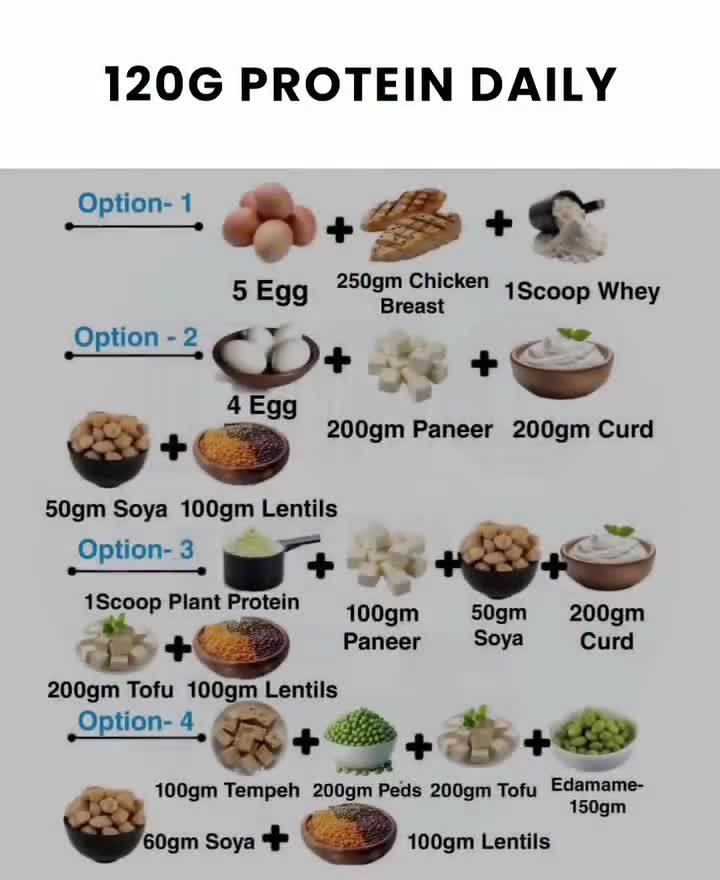
How to Hit 120g Protein Daily with Simple Whole Foods
85 views Health
Built in Silence, Revealed in Strength: Strong Girl Fitness Motivation
80 views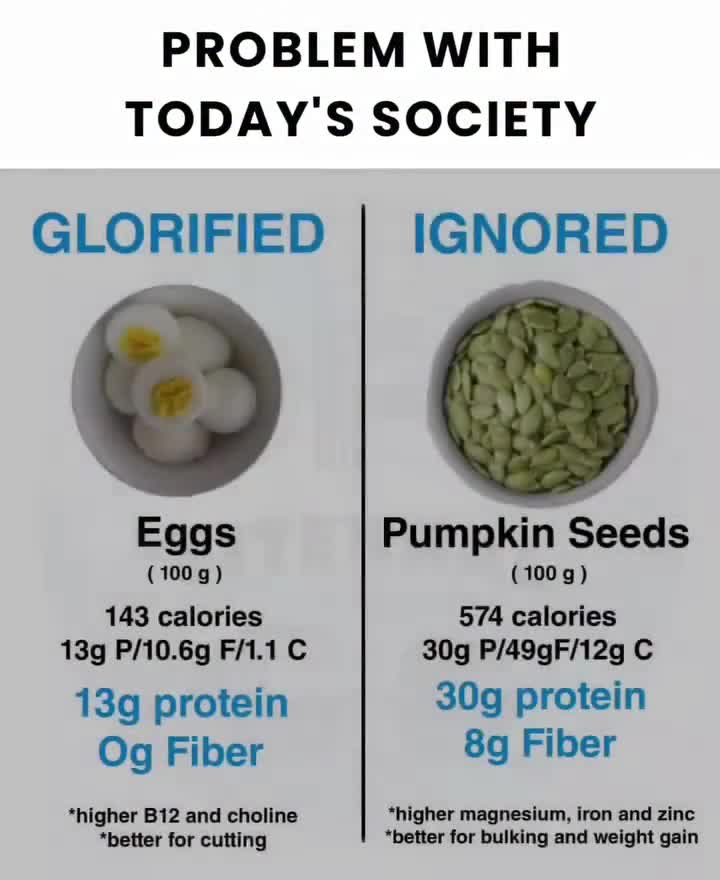 Health
Eggs vs Pumpkin Seeds: Which Protein Powerhouse Is Better for Fat Loss, Bulking
85 views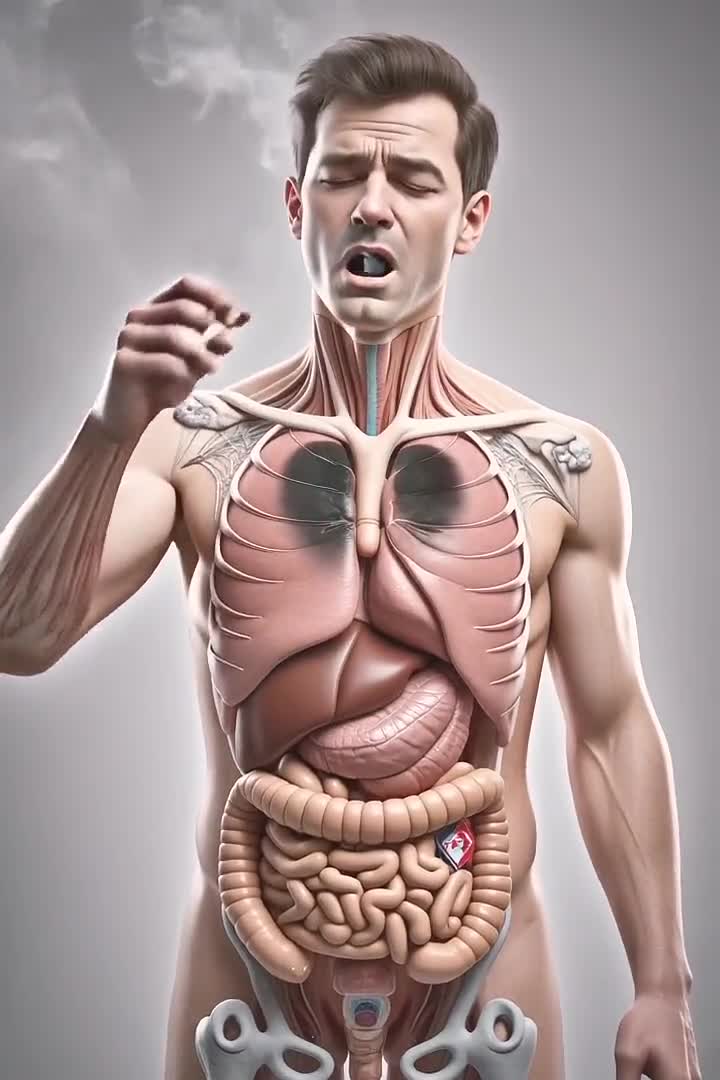 Health
Smoking Kills: Doctor Explains the Deadly Health Risks of Tobacco Use
114 views