
The Art of Living Well: Simple Habits for Better Health
Learn how small daily habits can improve your health, energy, and well-being, no strict routines or extreme changes needed.

In today’s busy world, life feels like a constant race. Work, responsibilities, and stress take over, and our health often gets ignored. We tell ourselves we’ll focus on it later, but that “later” rarely comes.
The truth is simple: real wealth is how you feel both mentally and physically.
Living well doesn’t need strict routines or extreme habits. It’s much simpler than we think.
A Simple Reality
Most days look like this long sitting hours, quick meals, too much screen time, and very little movement. By the end of the day, you feel tired not because of hard work, but because your body didn’t get what it needed.
Small Changes That Matter
Now imagine making small, easy changes:
- Walk instead of scrolling
- Drink more water
- Take short breaks to breathe or stretch
- Sleep a little earlier
Nothing big. Nothing difficult. But over time, these small steps make a big difference.
What You’ll Notice
As these habits connect:
- Your body feels lighter
- Your mind feels clearer
- You have more energy
You start enjoying your day more This is what living well really means.
Progress, Not Perfection
You don’t need to be perfect. Some days won’t go as planned and that’s okay. What matters is consistency, not perfection.
Start Now
We often wait for the “right time” to focus on health. But the right time is always now. A healthy life is not built by one big decision. It’s built through small daily choices made with care.
Final Thought
Take a moment today:
- Move a little more
- Rest a little better
- Choose a little wiser
That’s all it takes to start living well.
Small Habits, Large Outcomes
The research on wellbeing converges on a simple insight: the quality of your life is determined less by dramatic events and more by the accumulated effect of your daily habits. What you eat most days matters more than what you eat occasionally. How you spend your mornings shapes your entire day. The quality of your relationships — whether they are sources of support or chronic stress — profoundly affects your physical and mental health.
Living well does not require perfection. It requires direction. Knowing, with reasonable clarity, what kind of life you want to be living — what values you want to express, what relationships you want to nurture, what health you want to maintain — gives every daily decision a context. The person who has thought carefully about what it means for them to live well makes consistently better choices, not because they are more disciplined, but because they have fewer decisions to make. Their values make many choices automatically.
Start simply. Choose one habit to build this month — better sleep, more water, a daily walk, less screen time before bed. Do it until it requires no willpower. Then choose the next. Living well is not a destination. It is a direction you set and maintain, one small choice at a time.
5 Small Habits That Transform Long-Term Health
- Drink water first thing in the morning – Before coffee or tea, drink one glass of water. It rehydrates the body after 7–8 hours without fluids and kick-starts digestion.
- Eat with awareness – Slow down meals. Put your phone down. Chewing food properly aids digestion and prevents overeating by giving your brain time to register fullness.
- Move every hour – If you sit for work, stand up and walk for 2–3 minutes every hour. Extended sitting is independently linked to diabetes, back pain, and cardiovascular disease.
- Protect your wind-down time – Avoid bright screens for 30 minutes before bed. Read, stretch, or meditate. Your sleep quality will noticeably improve within days.
- Spend time in sunlight – 15–20 minutes of morning sunlight regulates your circadian rhythm, boosts vitamin D, and improves mood through serotonin production.
Why These Habits Work
They are small enough to start immediately, consistent enough to build into daily rituals, and compound over months into significant health improvements. The art of living well is not found in extreme diets or expensive supplements. It lives in the quiet, daily choices you make — every single day.
This article is for informational purposes only. Consult a qualified healthcare professional before making health decisions.
Frequently Asked Questions
What is Art of Living Well?
Learn how small daily habits can improve your health, energy, and well-being, no strict routines or extreme changes needed.
What are the main health benefits of Art of Living Well?
In today’s busy world, life feels like a constant race. Work, responsibilities, and stress take over, and our health often gets ignored. We tell ourselves we’ll focus on it later, but that “later” rarely comes.
Is Art of Living Well suitable for everyone?
Art of Living Well is generally suitable for most adults, but individual health conditions may vary. It is always best to consult a doctor or health professional before starting any new health routine, especially if you have existing conditions.
How quickly can you see results from Art of Living Well?
Results from Art of Living Well vary from person to person depending on consistency, diet, and overall lifestyle. Many people begin to notice changes within a few weeks of regular practice, though sustainable results come with long-term commitment.
What are common mistakes people make with Art of Living Well?
Common mistakes include inconsistency, poor technique, and ignoring professional guidance. The article above outlines what to avoid so you can get the best results safely and effectively.
Version History 4 updates
- Jun 16, 2026
Updated: content
- Jun 16, 2026
Updated: faqs
- Jun 5, 2026
Updated: content
- Apr 14, 2026
Updated: title, description, content, categories, tags, featuredImage, status
Get the quick take
Short videos related to this story
 Health
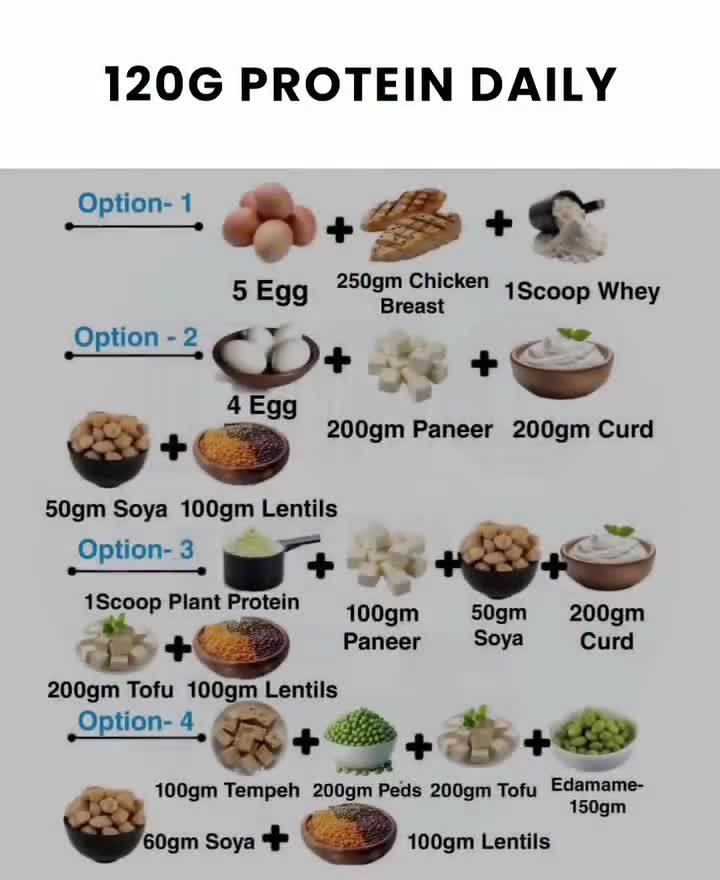
How to Hit 120g Protein Daily with Simple Whole Foods
84 views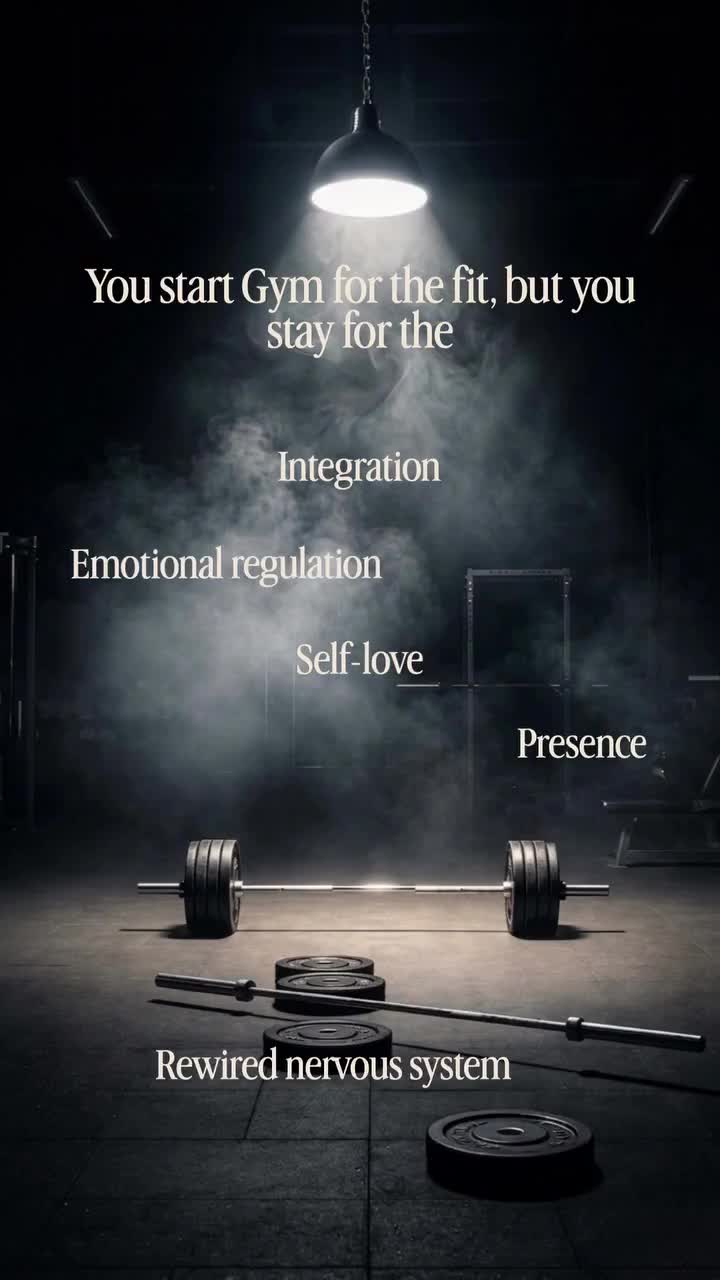 Health
Built in Silence, Revealed in Strength: Strong Girl Fitness Motivation
79 views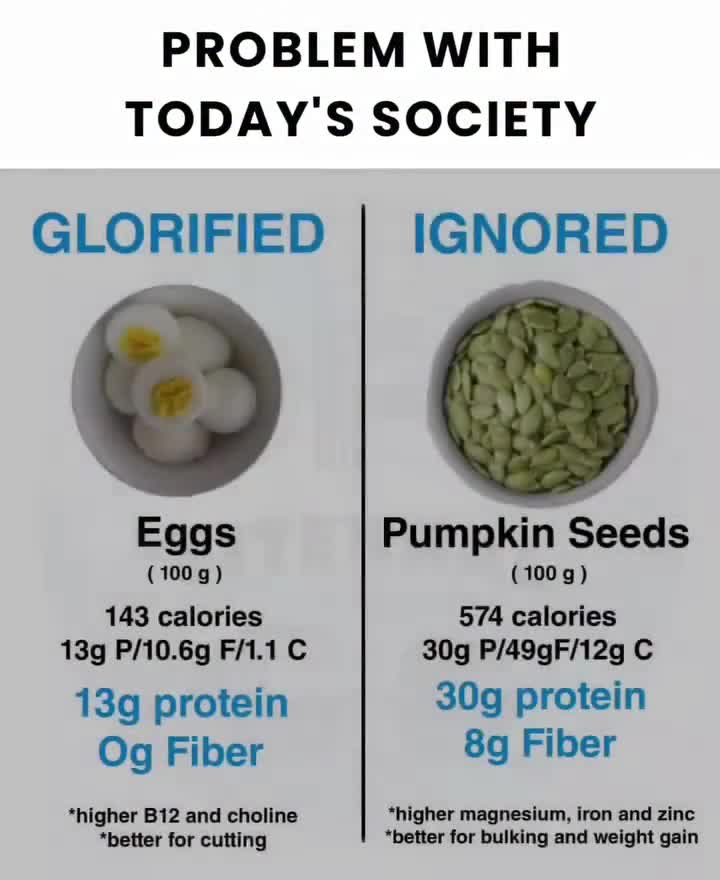 Health
Eggs vs Pumpkin Seeds: Which Protein Powerhouse Is Better for Fat Loss, Bulking
84 views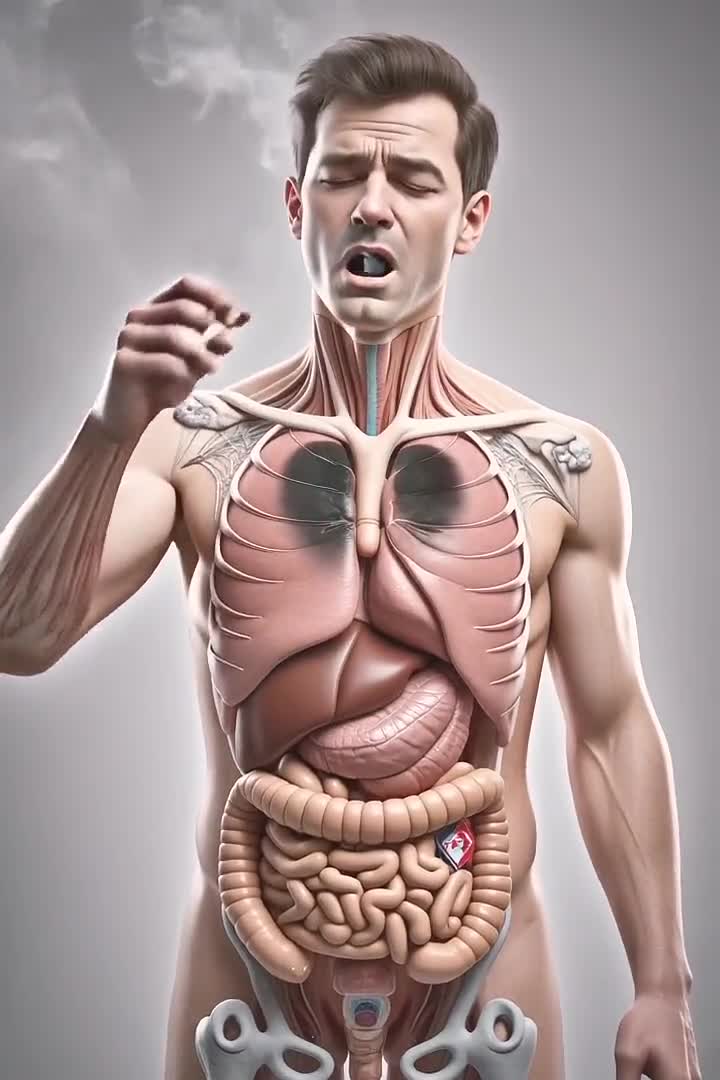 Health
Smoking Kills: Doctor Explains the Deadly Health Risks of Tobacco Use
113 views