
TCS Nashik Case: Employees Suspended Over Harassment and Conversion Allegations
Tata Consultancy Services suspended some employees in Nashik after harassment and misconduct complaints; investigation is ongoing.
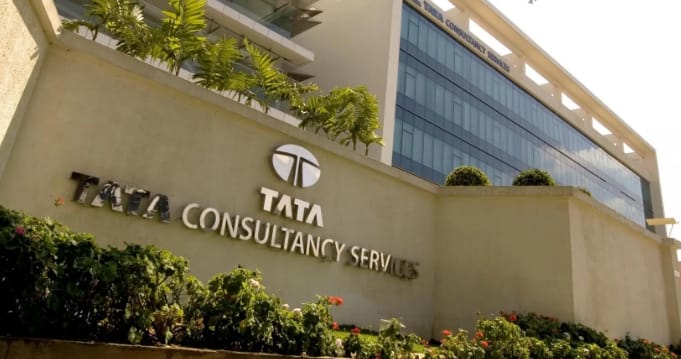
Tata Consultancy Services has suspended several employees at its Nashik office following serious allegations of sexual harassment and religious conversion. The company has not revealed the exact number of employees involved, but confirmed that action was taken after the issue came to light.
How the Case Started
The matter began on March 25 when a young woman filed a complaint at a police station in Nashik. She alleged that between 2022 and 2026, some colleagues made remarks that hurt her religious sentiments. She also accused one colleague of repeated sexual exploitation.
Police Investigation and FIRs
After the complaint, police started an investigation and asked other employees to come forward. By early April, multiple FIRs were registered. Several women employees reported similar experiences, including harassment and inappropriate comments related to religion. A male employee also filed a complaint regarding religious sentiments.
Police have arrested several employees, including individuals in senior roles. Some are in custody, while one person is still absconding. The company’s HR manager is also under investigation.
Company Response and Current Status
TCS stated that it follows a zero-tolerance policy towards harassment and misconduct. The company has said it is cooperating fully with the police and has taken internal action by suspending those involved.
The investigation is still ongoing, and further action will depend on official findings. This case highlights the importance of workplace safety, proper grievance handling, and strict action against misconduct.
Broader Implications for Workplace Culture
The TCS Nashik case raises issues that are relevant far beyond one company or one city. Workplace harassment in India's IT sector has been a documented problem for years, yet cases that reach formal disciplinary proceedings remain a small fraction of incidents that are reported through internal channels, and a smaller fraction still of incidents that actually occur. The gap between the formal HR process and the lived experience of employees remains significant.
Several structural factors contribute to this gap. Power differentials between senior and junior employees are pronounced in hierarchical corporate structures. The fear of professional retaliation — whether explicit or subtle — discourages reporting. Internal HR departments answer to company management rather than to employees, creating a structural conflict of interest in how complaints are handled.
The cases that do reach public attention serve an important function: they force companies to review their internal processes, they signal to employees that complaints can have consequences, and they contribute to the evolving legal and cultural framework around workplace conduct in India. But the deeper change required is cultural — the normalisation of respectful conduct and the genuine accountability of those in positions of power when that standard is violated.
TCS and the Indian IT Sector's Tier-2 City Push
India's largest IT company has been strategically expanding beyond traditional hubs of Mumbai, Bengaluru, Hyderabad, Chennai, and Pune. Cities like Nashik, Nagpur, and Coimbatore are increasingly attractive for several reasons:
- Cost advantage – Real estate, salaries, and operations in Tier-2 cities are significantly lower. For a company at TCS's scale, even a 15% cost reduction per employee translates to hundreds of crores in annual savings.
- Talent availability – Large pools of engineering graduates who previously had to relocate to metros can now find employment locally, reducing attrition.
- Government incentives – State governments compete aggressively for IT investment through land allotments, tax breaks, and infrastructure commitments.
What This Means for Nashik
A major TCS facility creates employment not just within TCS directly, but across an ecosystem of transport, food, housing, and services. It validates Nashik's growing reputation as a business-friendly city and could attract additional IT and manufacturing investment. For local youth and families, it means career opportunities without the cost and disruption of relocating to Pune or Mumbai.
Frequently Asked Questions
What is TCS Nashik Case Employees Suspended?
Tata Consultancy Services suspended some employees in Nashik after harassment and misconduct complaints; investigation is ongoing.
Why is TCS Nashik Case Employees Suspended important?
Tata Consultancy Services has suspended several employees at its Nashik office following serious allegations of sexual harassment and religious conversion. The company has not revealed the exact number of employees involved, but confirmed that action was taken after the issue came to light. How the Case Started The matter began on March 25 when a young woman filed a complaint at a police station in Nashik. This development is significant because it affects a large number of people and has wide-ranging implications.
What are the key highlights of TCS Nashik Case Employees Suspended?
Tata Consultancy Services suspended some employees in Nashik after harassment and misconduct complaints; investigation is ongoing. For full details, read the complete article above which covers all the major points.
How does TCS Nashik Case Employees Suspended affect common people?
TCS Nashik Case Employees Suspended directly impacts the daily lives of millions of Indians by influencing policies, prices, opportunities, or events that concern them. The full impact is discussed in the article with supporting data and expert perspectives.
Where can I find the latest updates on TCS Nashik Case Employees Suspended?
ApnaInsights regularly publishes the latest news and analysis on TCS Nashik Case Employees Suspended and related topics. You can bookmark this page and follow us to stay updated with accurate, timely information.
Version History 6 updates
- Jun 16, 2026
Updated: content
- Jun 16, 2026
Updated: faqs
- Jun 5, 2026
Updated: content
- Apr 19, 2026
Updated: title, description, content, categories, tags, featuredImage, status
- Apr 14, 2026
Updated: title, description, content, categories, tags, featuredImage, status
- Apr 13, 2026
Updated: title, description, content, categories, tags, featuredImage, status