
Medicines Don’t Cure Everything, But They Change Everything
Learn how medicines really work, their limits, and why lifestyle choices are essential for long-term health and healing.

Many people think medicines are quick solutions like taking a pill and the problem is gone. But in reality, medicines don’t always cure the root cause. They mostly manage symptoms and support the body while it heals.
This is common in chronic conditions, where medicines become part of daily life instead of a one-time cure.
Modern medicine has saved many lives, but it has also made people depend too much on tablets while ignoring the real causes of health problems.
- Medicines can control blood pressure, but not replace a healthy diet and exercise
- Painkillers can reduce pain, but may not fix the actual problem
Another important point is that medicines have limits and side effects. Using them without proper guidance like self-medication or skipping doses can cause more harm than good.
Medicines are powerful, but they are only a support system, not a complete solution. The best results come when medicines are combined with healthy habits:
- Balanced diet
- Regular exercise
- Stress management
- Good daily routine
Your body already has the ability to heal. Medicines help that process, they don’t replace it.
When you understand this, you stop depending only on medicines and start focusing on overall health. That’s how you manage not just illness, but your complete well-being.
What Medicines Can and Cannot Do
Modern medicine is one of the greatest achievements of human civilisation. Antibiotics have saved hundreds of millions of lives. Vaccines have eliminated diseases that once killed entire populations. The value of pharmaceutical intervention in the right context cannot be overstated.
But medicine works best as part of a larger framework of health that includes nutrition, sleep, exercise, and stress management. A patient who takes blood pressure medication but continues eating poorly and sleeping badly is getting only a fraction of the benefit that medication could provide. The pill manages the symptom; the lifestyle change addresses the cause.
The most effective health outcomes come from combining the best of both worlds: using medicine precisely where it is needed while building daily habits that reduce the need for it over time. Talk honestly with your doctor about your lifestyle alongside your prescriptions — disclose everything so your doctor can give you the most accurate picture of what is helping and what is working against your health. Medicines change everything when used correctly. They cannot do everything alone.
What Medicines Actually Do
Medicines are powerful tools — but they work best when paired with lifestyle changes. Here is what different types of medicines typically do:
- Antibiotics – Kill bacteria, but have no effect on viral infections like cold or flu
- Pain relievers – Reduce the sensation of pain, but do not fix the underlying cause
- Blood pressure medicines – Control blood pressure but must be taken lifelong if the root cause (lifestyle) is not addressed
- Antidepressants – Balance brain chemistry but work best alongside therapy
- Insulin / Diabetes medicines – Manage blood sugar but diabetes management truly requires diet and exercise
The Missing Half of Healthcare
The things no medicine can replace:
- Sleep – 7–8 hours of quality sleep repairs your body better than most supplements
- Movement – 30 minutes of daily activity reduces the risk of dozens of diseases
- Food choices – Whole foods reduce inflammation that medicines are often fighting
- Mental peace – Stress and anxiety suppress immunity and worsen almost every condition
- Human connection – Social isolation is now linked to heart disease, depression, and shorter lifespan
The Right Relationship With Medicine
Use medicines as a bridge, not a destination. If a doctor prescribes medication, follow the prescription — but also ask: "What lifestyle changes can help reduce my dependence on this over time?" That question changes everything. The most empowered patients are those who use medicines wisely while actively working on their health through daily habits.
This article is for informational purposes only. Consult a qualified healthcare professional before making health decisions.
Frequently Asked Questions
What is Medicines Don’t Cure Everything, But?
Learn how medicines really work, their limits, and why lifestyle choices are essential for long-term health and healing.
What are the main health benefits of Medicines Don’t Cure Everything, But?
Many people think medicines are quick solutions like taking a pill and the problem is gone. But in reality, medicines don’t always cure the root cause. They mostly manage symptoms and support the body while it heals.
Is Medicines Don’t Cure Everything, But suitable for everyone?
Medicines Don’t Cure Everything, But is generally suitable for most adults, but individual health conditions may vary. It is always best to consult a doctor or health professional before starting any new health routine, especially if you have existing conditions.
How quickly can you see results from Medicines Don’t Cure Everything, But?
Results from Medicines Don’t Cure Everything, But vary from person to person depending on consistency, diet, and overall lifestyle. Many people begin to notice changes within a few weeks of regular practice, though sustainable results come with long-term commitment.
What are common mistakes people make with Medicines Don’t Cure Everything, But?
Common mistakes include inconsistency, poor technique, and ignoring professional guidance. The article above outlines what to avoid so you can get the best results safely and effectively.
Version History 4 updates
- Jun 16, 2026
Updated: content
- Jun 16, 2026
Updated: faqs
- Jun 5, 2026
Updated: content
- Apr 14, 2026
Updated: title, description, content, categories, tags, featuredImage, status
Get the quick take
Short videos related to this story
 Health
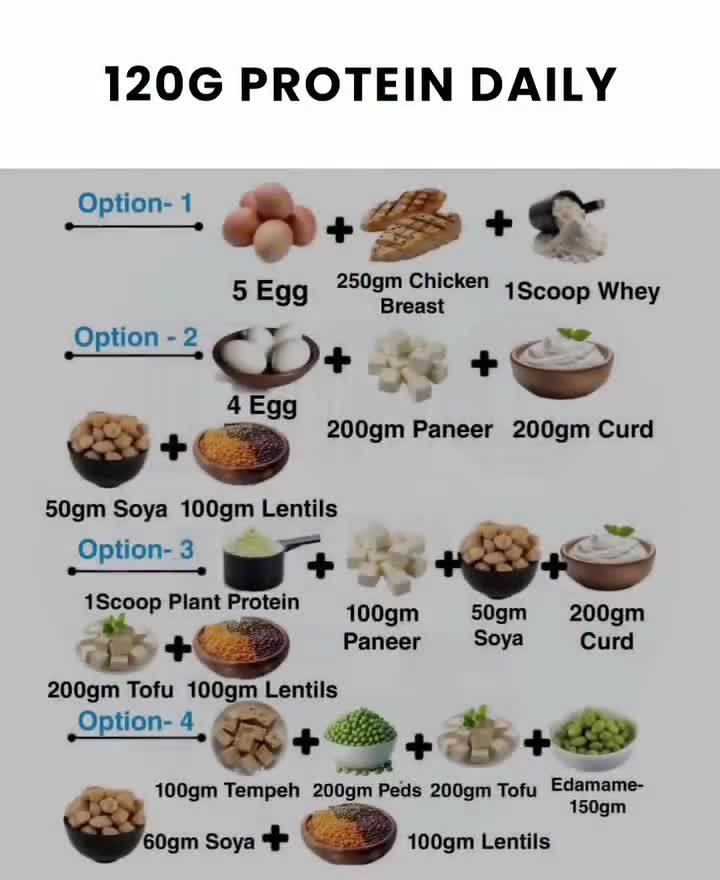
How to Hit 120g Protein Daily with Simple Whole Foods
84 views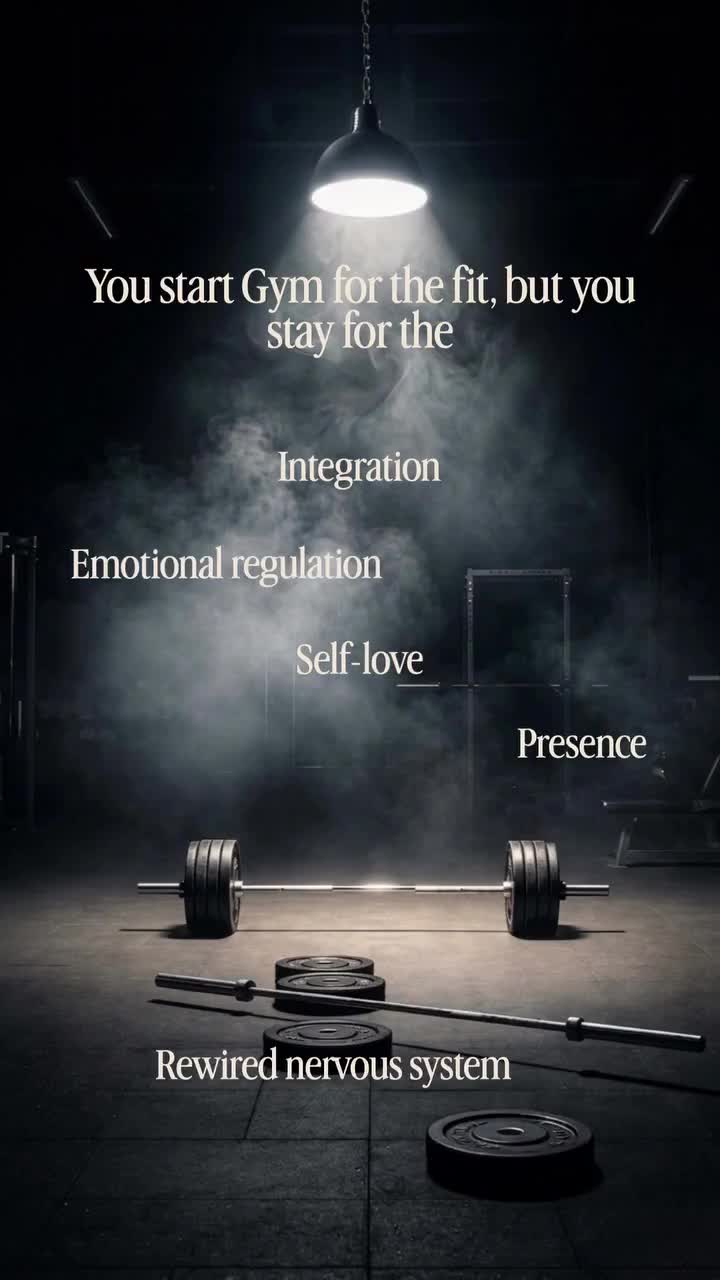 Health
Built in Silence, Revealed in Strength: Strong Girl Fitness Motivation
79 views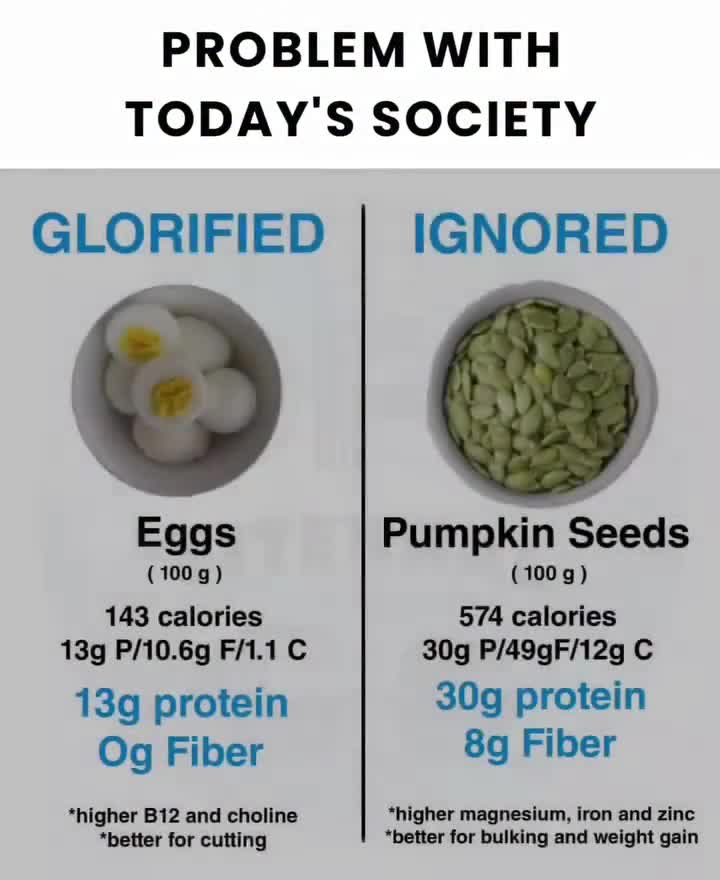 Health
Eggs vs Pumpkin Seeds: Which Protein Powerhouse Is Better for Fat Loss, Bulking
84 views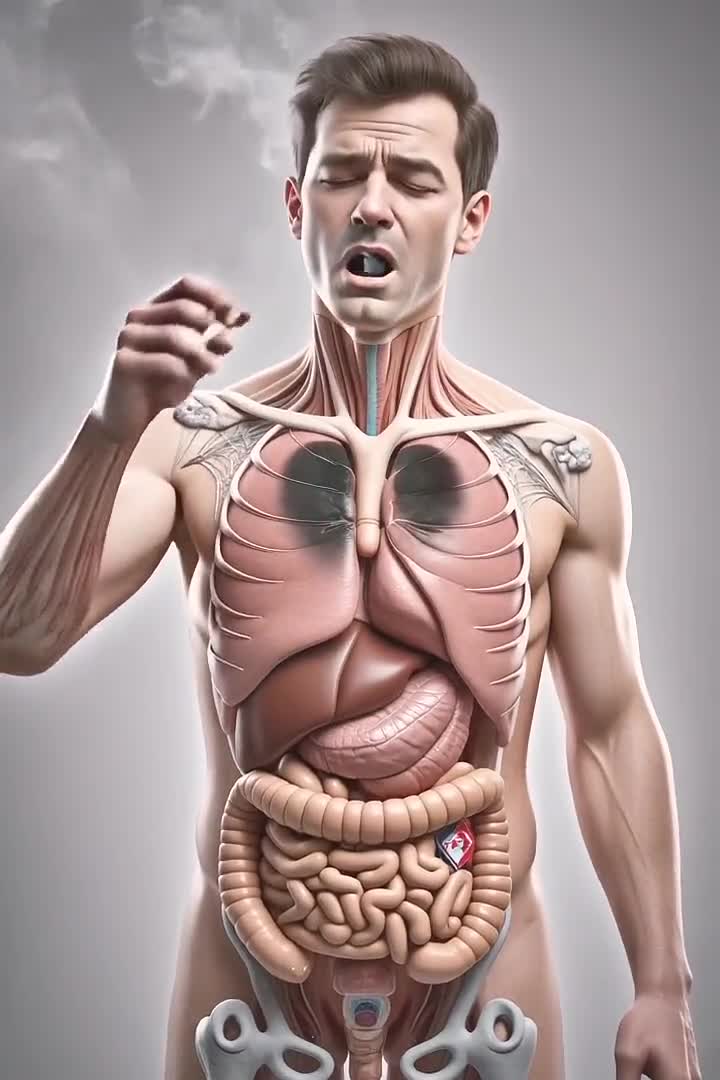 Health
Smoking Kills: Doctor Explains the Deadly Health Risks of Tobacco Use
113 views