
Painkillers Explained: Benefits, Risks, Side Effects and Safe Usage
Learn about painkillers, their types, benefits, side effects, overdose risks, addiction concerns, and safe usage tips in this simple and human-readable guide.


Painkillers: What Everyone Should Know
Pain is one of the most common health problems people face today. From headaches, fever, body pain, and muscle strain to arthritis, surgery recovery, and chronic illness, pain can affect daily life, sleep, mental health, and productivity. This is why painkillers have become one of the most widely used medicines across the world.
Painkillers, also called analgesics, are medicines used to reduce or block pain signals in the body. Some help reduce inflammation and swelling, while others act on the brain and nervous system to control severe pain. Commonly used painkillers include paracetamol, ibuprofen, aspirin, diclofenac, tramadol, and stronger prescription opioids.
Paracetamol is usually used for fever, headaches, cold symptoms, and mild body pain. NSAIDs like ibuprofen and naproxen are often used for muscle pain, arthritis, sports injuries, swelling, and menstrual cramps because they help reduce inflammation as well. Strong opioid painkillers such as morphine, codeine, oxycodone, and fentanyl are mainly prescribed for severe pain after surgery, cancer treatment, or major injuries.
While painkillers can provide quick relief and improve quality of life, misuse and overuse can become dangerous. Many people believe over-the-counter painkillers are completely safe, but excessive use may cause serious health complications. Long-term use of NSAIDs can increase the risk of stomach ulcers, acidity, bleeding, kidney damage, heart problems, and high blood pressure. Excessive paracetamol intake can severely damage the liver and may even become life-threatening during overdose situations.
One of the biggest global concerns today is opioid addiction. Strong prescription painkillers can create dependency when used improperly or for long periods. Misuse may lead to drowsiness, breathing problems, withdrawal symptoms, overdose, and addiction. This is why opioid medicines should only be taken under proper medical supervision.
Self-medication has also become a growing problem. Many people take multiple painkillers together without checking ingredients or dosage limits. Mixing medicines carelessly or combining them with alcohol can increase the risk of liver damage, stomach bleeding, breathing difficulty, and overdose. Pain lasting for several days should never be ignored because it may be a warning sign of an underlying health condition.
Although painkillers help manage symptoms, they do not always cure the actual cause of pain. In many cases, lifestyle improvements, exercise, physiotherapy, stretching, stress management, meditation, proper sleep, and healthy habits also play an important role in long-term pain management.
The safest way to use painkillers is to follow the correct dosage, avoid unnecessary long-term usage, read medicine labels carefully, and consult a doctor if pain becomes frequent or severe. Pregnant women, elderly people, and patients with kidney, liver, stomach, or heart problems should be especially careful before taking pain relief medicines.
Painkillers are helpful medicines when used responsibly, but careless usage can create serious health risks. Understanding both the benefits and dangers of these medicines is important for protecting overall health and preventing avoidable complications.
Frequently Asked Questions (FAQs)
Which painkiller is considered safer?
Paracetamol is generally considered safer when taken within recommended dosage limits.
Can painkillers damage the body?
Yes. Excessive or long-term use may affect the liver, kidneys, stomach, and heart.
Are all painkillers addictive?
No, but strong opioid painkillers can cause addiction and dependency.
Can painkillers be taken daily?
Daily use without medical advice is not recommended.
Is mixing alcohol with painkillers dangerous?
Yes. It can increase the risk of overdose, liver damage, stomach bleeding, and breathing problems.
This article is for informational purposes only. Consult a qualified healthcare professional before making health decisions.
Frequently Asked Questions
What is Painkillers Explained Benefits, Risks, Side?
Learn about painkillers, their types, benefits, side effects, overdose risks, addiction concerns, and safe usage tips in this simple and human-readable guide.
What are the main health benefits of Painkillers Explained Benefits, Risks, Side?
Painkillers: What Everyone Should Know Pain is one of the most common health problems people face today. From headaches, fever, body pain, and muscle strain to arthritis, surgery recovery, and chronic illness, pain can affect daily life, sleep, mental health, and productivity. This is why painkillers have become one of the most widely used medicines across the world.
Is Painkillers Explained Benefits, Risks, Side suitable for everyone?
Painkillers Explained Benefits, Risks, Side is generally suitable for most adults, but individual health conditions may vary. It is always best to consult a doctor or health professional before starting any new health routine, especially if you have existing conditions.
How quickly can you see results from Painkillers Explained Benefits, Risks, Side?
Results from Painkillers Explained Benefits, Risks, Side vary from person to person depending on consistency, diet, and overall lifestyle. Many people begin to notice changes within a few weeks of regular practice, though sustainable results come with long-term commitment.
What are common mistakes people make with Painkillers Explained Benefits, Risks, Side?
Common mistakes include inconsistency, poor technique, and ignoring professional guidance. The article above outlines what to avoid so you can get the best results safely and effectively.
Version History 3 updates
- Jun 16, 2026
Updated: faqs
- May 15, 2026
Updated: title, description, content, categories, tags, featuredImage, images, status, slug, rejectionReason
- May 15, 2026
Updated: title, description, content, categories, tags, featuredImage, images, status, slug, rejectionReason
Get the quick take
Short videos related to this story
 Health
How to Hit 120g Protein Daily with Simple Whole Foods
85 views Health
Built in Silence, Revealed in Strength: Strong Girl Fitness Motivation
80 views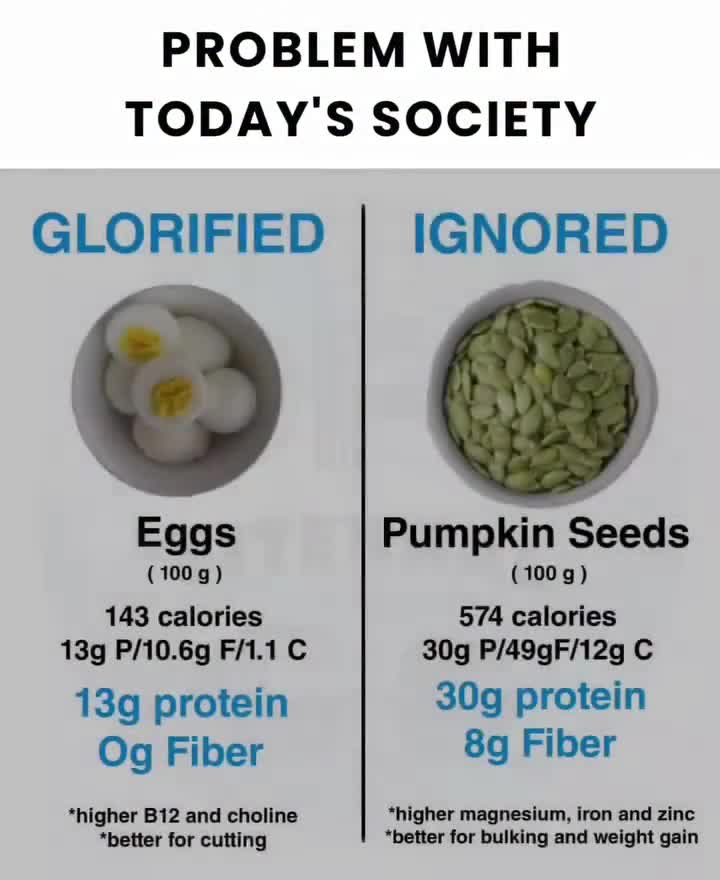 Health
Eggs vs Pumpkin Seeds: Which Protein Powerhouse Is Better for Fat Loss, Bulking
85 views Health
Smoking Kills: Doctor Explains the Deadly Health Risks of Tobacco Use
114 views