
Fake ORS vs Real ORS in India: Doctor Warns About Sugary Drinks and Child Health Risks
A major controversy has erupted in India after doctors warned against sugary drinks sold as ORS. Learn the difference between fake ORS and real WHO-approved ORS, and why parents must stay alert.

A serious public health debate is gaining attention across India after doctors raised concerns about sugary hydration drinks being marketed like ORS (Oral Rehydration Solution). What started as a medical concern has now become a nationwide discussion involving doctors, parents, health experts, and regulators.
One of the strongest voices behind this awareness campaign is Hyderabad-based pediatrician Dr. Sivaranjani Santosh, who publicly questioned the safety of certain commercial “ORS-like” drinks that contain high sugar levels and do not follow the scientifically approved WHO formula.
According to doctors, many parents believe these drinks are genuine medical ORS because the packaging, branding, and marketing look very similar. However, experts warn that several of these products are actually flavored hydration or energy-style drinks that may not be suitable for treating dehydration in children.
This controversy became even more serious because dehydration remains one of the biggest health risks for children during diarrhea, vomiting, fever, and extreme summer heat.
What is the real controversy behind fake ORS?
Doctors and pediatricians say the issue is not with genuine WHO-approved ORS. In fact, real ORS is considered one of the greatest life-saving medical solutions ever developed for dehydration treatment.
The real concern is about misleading sugary drinks being sold in ORS-style packaging.
According to health experts, some commercial hydration beverages contain:
- Excessive sugar
- Lower sodium levels
- Artificial flavors and additives
- Marketing that makes them appear medically approved
Doctors warn that excessive sugar may sometimes worsen dehydration during diarrhea-related illnesses instead of helping recovery.
This is why pediatricians started demanding stricter regulations and better public awareness.
Why doctors are raising alarm
Dr. Sivaranjani Santosh and several other health experts claimed that many parents cannot easily identify the difference between real ORS and commercial hydration drinks.
Because of aggressive marketing and confusing labels, families may unknowingly purchase sugary beverages believing they are safe medical dehydration solutions for children.
Doctors also alleged that despite growing criticism, some companies continued selling such products because of existing stock and commercial interests.
The issue eventually reached regulatory authorities, and reports suggest that the Food Safety and Standards Authority of India (FSSAI) acted against misleading ORS labeling practices.
This sparked widespread discussion across social media, parenting communities, and healthcare circles.
The difference between fake ORS and real ORS
Health experts say genuine WHO-approved ORS is scientifically balanced with the right amount of sodium and glucose to help the body absorb fluids safely during dehydration.
Real ORS is specifically designed for medical dehydration treatment and is recommended worldwide by doctors and global health organizations.
Fake or misleading ORS-style drinks, however, are often marketed more like flavored energy beverages. Many contain higher sugar levels and may not follow WHO-approved medical standards.
According to pediatricians, this confusion can become dangerous when children are suffering from diarrhea, vomiting, or severe dehydration.
Why parents must be careful
Doctors are now urging parents to read labels carefully before purchasing hydration products for children.
Experts recommend:
- Choosing WHO-approved ORS from trusted pharmacies
- Avoiding sugary electrolyte drinks during illness
- Not assuming every hydration drink is medical ORS
- Consulting doctors during severe dehydration symptoms
Health professionals say awareness is the biggest protection against misleading marketing.
Final Thoughts
The Fake ORS vs Real ORS controversy has become one of the most discussed child health topics in India. Doctors fighting for stricter regulation believe misleading sugary drinks may put children at risk and confuse parents during medical emergencies.
At the same time, experts continue to strongly clarify that genuine WHO-approved ORS remains safe, effective, and life-saving when used correctly.
The real issue, according to health professionals, is not authentic ORS — but sugary commercial drinks being marketed in ways that make them look like medical dehydration solutions.
Understanding this difference can help parents make safer and more informed choices for their children’s health.
This article is for informational purposes only. Consult a qualified healthcare professional before making health decisions.
Frequently Asked Questions
What is Fake ORS vs Real ORS?
A major controversy has erupted in India after doctors warned against sugary drinks sold as ORS. Learn the difference between fake ORS and real WHO-approved ORS, and why parents must stay alert.
What are the main health benefits of Fake ORS vs Real ORS?
A serious public health debate is gaining attention across India after doctors raised concerns about sugary hydration drinks being marketed like ORS (Oral Rehydration Solution). What started as a medical concern has now become a nationwide discussion involving doctors, parents, health experts, and regulators. One of the strongest voices behind this awareness campaign is Hyderabad-based pediatrician Dr.
Is Fake ORS vs Real ORS suitable for everyone?
Fake ORS vs Real ORS is generally suitable for most adults, but individual health conditions may vary. It is always best to consult a doctor or health professional before starting any new health routine, especially if you have existing conditions.
How quickly can you see results from Fake ORS vs Real ORS?
Results from Fake ORS vs Real ORS vary from person to person depending on consistency, diet, and overall lifestyle. Many people begin to notice changes within a few weeks of regular practice, though sustainable results come with long-term commitment.
What are common mistakes people make with Fake ORS vs Real ORS?
Common mistakes include inconsistency, poor technique, and ignoring professional guidance. The article above outlines what to avoid so you can get the best results safely and effectively.
Version History 1 update
- Jun 16, 2026
Updated: faqs
Get the quick take
Short videos related to this story
 Health
How to Hit 120g Protein Daily with Simple Whole Foods
85 views Health
Built in Silence, Revealed in Strength: Strong Girl Fitness Motivation
80 views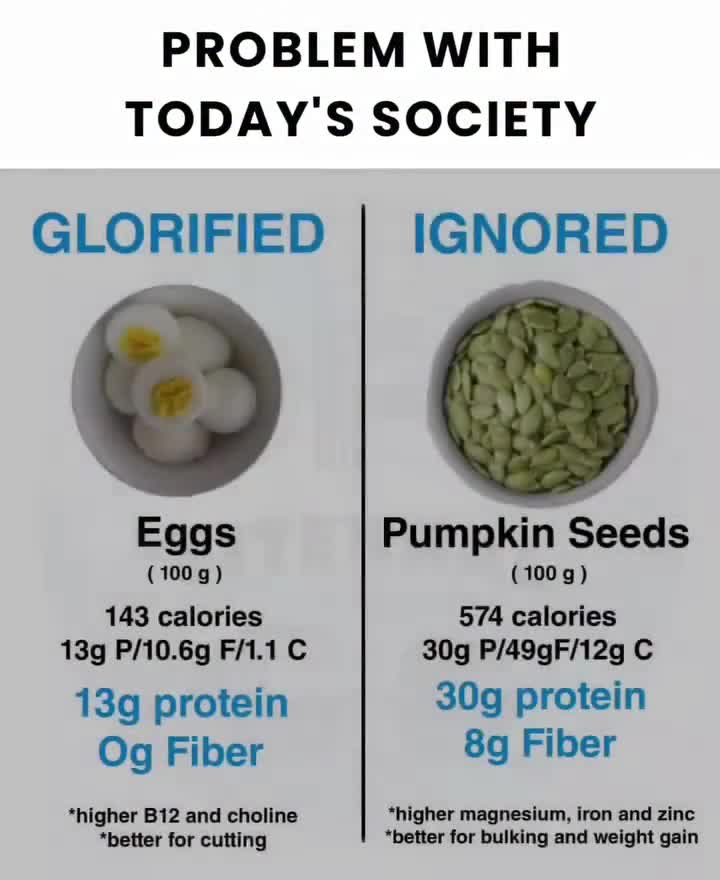 Health
Eggs vs Pumpkin Seeds: Which Protein Powerhouse Is Better for Fat Loss, Bulking
85 views Health
Smoking Kills: Doctor Explains the Deadly Health Risks of Tobacco Use
114 views